
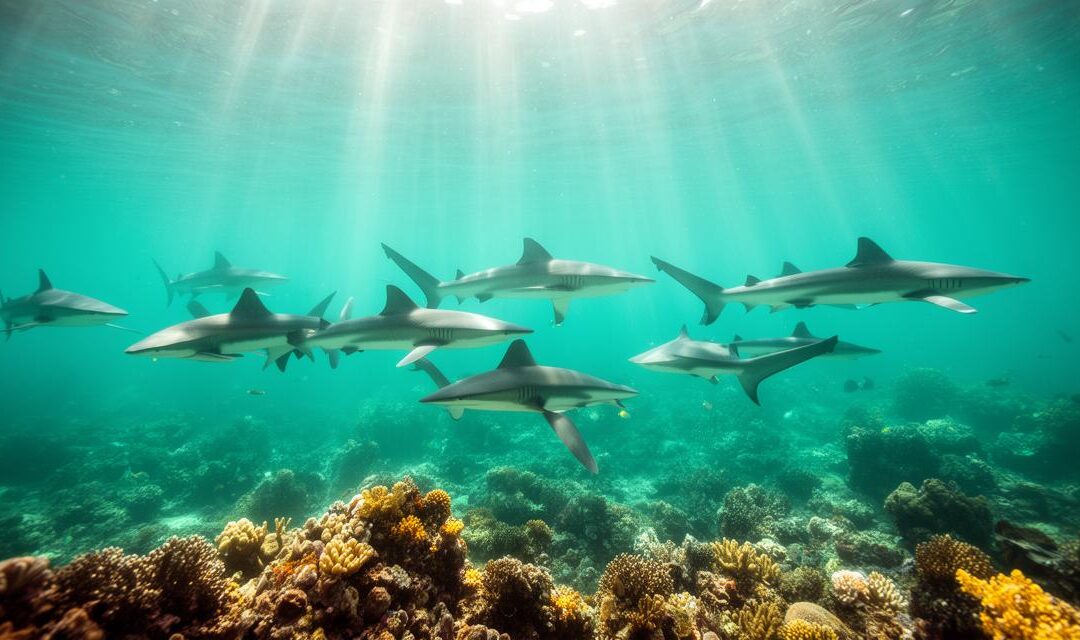
Martinique, often celebrated as the Isle of Flowers, offers more than just lush landscapes and volcanic peaks. This French overseas territory in the Caribbean's Lesser Antilles has become a haven for adventurers seeking to combine terrestrial exploration with the mesmerising world beneath the waves. With year-round warm waters averaging between seventy-nine and eighty-two degrees Fahrenheit, the island presents an exceptional opportunity for those eager to experience the thrill of underwater hiking whilst encountering diverse marine life, including the elusive sharks that patrol these tropical depths.
Exploring martinique's premier underwater hiking locations and marine biodiversity
Martinique's underwater terrain is as varied and captivating as its famous Mount Pelée and rainforests. The island's coastline, stretching from the calm Caribbean shores to the wild Atlantic Coast, is dotted with sites that cater to both novice snorkellers and seasoned divers. Among the most celebrated locations is Diamond Rock, a striking volcanic outcrop rising dramatically from the sea. This site offers a unique underwater landscape where volcanic formations create natural corridors and caverns teeming with life. The currents here attract schools of tropical fish, and divers often report sightings of stingrays gliding gracefully across the seabed.
Saint-Pierre Bay stands as another jewel in Martinique's underwater crown. This historic bay harbours no fewer than fourteen shipwreck sites, some resting at depths of up to one hundred and eighty feet. These sunken vessels have transformed into artificial reefs, providing sanctuary for countless marine species. The Nahoon Shipwreck is particularly popular among divers, as its accessible depth and well-preserved structure make it an ideal site for exploring the symbiotic relationship between human history and marine ecosystems. Le Sous-Marin, another notable site, features submerged structures that have become encrusted with coral, creating a surreal underwater garden.
Top Natural Parks and Protected Coral Reef Areas for Underwater Exploration
The protected areas surrounding Martinique ensure that the island's marine biodiversity remains pristine for future generations. La Caravelle peninsula, renowned for its terrestrial hiking trails, extends its natural beauty beneath the surface. The peninsula's underwater hiking routes allow adventurers to walk along shallow reefs, observing the intricate coral formations that provide homes for crabs, shrimp, and spiny lobsters. These protected zones are carefully managed to balance tourism with conservation, ensuring that the delicate coral ecosystems remain vibrant and healthy.
Pointe Burgos Reef exemplifies the richness of Martinique's marine parks. This site is characterised by extensive coral gardens where moray eels lurk in crevices and green sea turtles forage among the swaying sea grasses. The reef's structure creates a natural amphitheatre where divers can observe the complex interactions between predators and prey. During the peak season, which runs from December to May, visibility often exceeds thirty metres, providing unparalleled opportunities for underwater photography and wildlife observation.
Understanding the Diverse Marine Life and Shark Species in Caribbean Waters
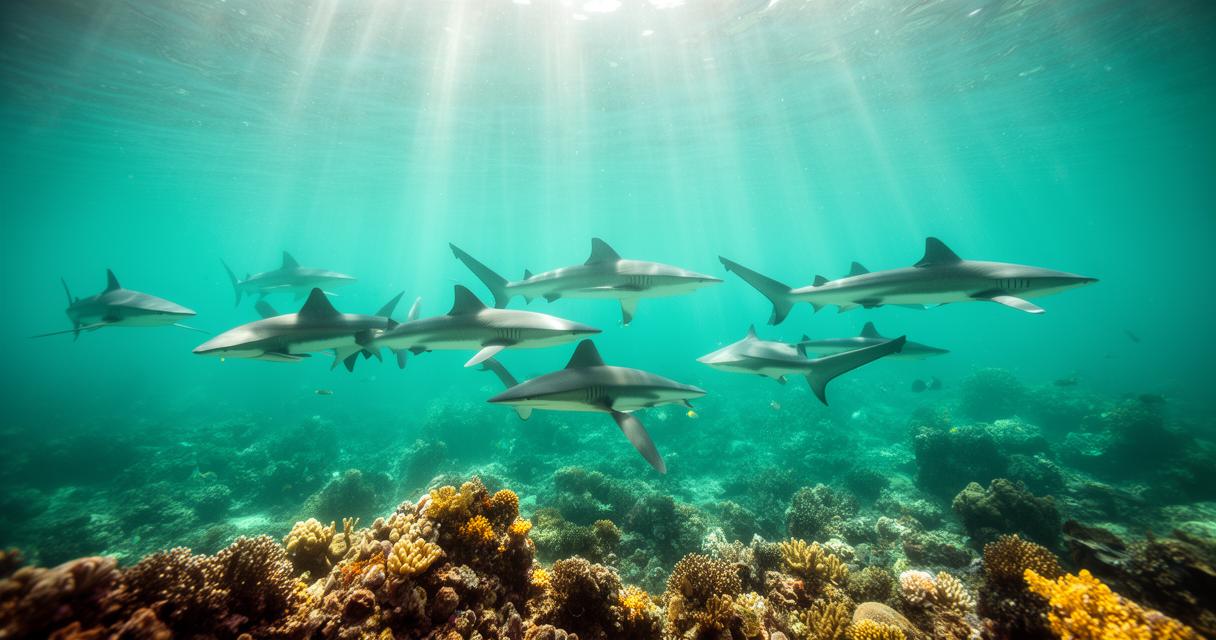
The waters surrounding Martinique are home to a remarkable array of marine life, with sharks representing one of the most thrilling aspects of underwater exploration. Caribbean reef sharks, nurse sharks, and occasionally blacktip sharks frequent the island's diving sites, particularly around deeper wrecks and offshore reefs. These apex predators play a crucial role in maintaining the ecological balance, controlling populations of smaller fish and ensuring the health of coral systems.
Encountering sharks in their natural habitat is an experience that combines awe with respect. Unlike the sensationalised portrayals in popular media, these creatures are generally non-aggressive towards humans and display a natural curiosity rather than hostility. Experienced guides in Martinique emphasise the importance of maintaining a respectful distance and avoiding sudden movements, allowing divers to observe these magnificent animals without disturbing their natural behaviours. Beyond sharks, the marine biodiversity includes leatherback and green sea turtles, which are frequently spotted during guided snorkelling excursions. The presence of these gentle giants, alongside colourful tropical fish and intricate invertebrates, creates an underwater spectacle that rivals any terrestrial safari.
Essential Equipment and Safety Practices for Diving and Snorkelling Adventures
Embarking on an underwater hiking adventure in Martinique requires careful preparation and the right equipment. The tropical conditions and diverse marine environments demand specific gear to ensure both safety and comfort throughout the experience. Understanding what to bring and how to use it effectively transforms a good dive into an unforgettable journey.
Choosing the Right Kit for Underwater Hiking and Shark Encounters
For those planning to explore shallow reefs through underwater hiking, a quality mask, snorkel, and fins form the foundation of essential equipment. The mask should provide a watertight seal and offer a wide field of vision, allowing observers to take in the full panorama of marine life without constant adjustments. Fins designed for snorkelling differ from those used in scuba diving, typically being shorter and more flexible to accommodate the shallower depths and different swimming techniques required for reef walking.
Scuba divers venturing into deeper sites such as the wrecks of Saint-Pierre Bay require more comprehensive equipment. A well-maintained buoyancy control device, reliable regulator, and dive computer are indispensable for managing depth and air consumption. Given the year-round warm waters, a thin wetsuit or even a rash guard often suffices, providing protection from minor scrapes against coral whilst allowing freedom of movement. For those interested in shark encounters, additional equipment such as underwater cameras with appropriate lighting can capture the majesty of these creatures without interfering with the dive's flow.
Proper Safety Protocols and Guided Itineraries for Tropical Diving Experiences
Safety remains paramount when exploring Martinique's underwater realms. Engaging with reputable dive operators who adhere to international safety standards ensures that all equipment is properly maintained and that guides are trained to handle various scenarios. Pre-dive briefings typically cover essential information about the site's layout, potential hazards such as strong currents or surge zones, and emergency procedures. These briefings also address proper behaviour around marine life, particularly when sharks are present, emphasising the importance of calm, controlled movements and maintaining appropriate distances.
Guided itineraries offer the advantage of local expertise, with guides possessing intimate knowledge of seasonal variations, marine behaviour patterns, and the best times to visit specific sites. Many operators in Martinique offer half-day and full-day excursions tailored to different skill levels, from beginners taking their first underwater steps to advanced divers seeking the thrill of deep wreck penetration. The Canal de Beauregard half-day hike, for instance, provides an excellent introduction to the island's underwater landscapes, accommodating all skill levels and operating throughout the year. More challenging options, such as the day hike from Le Prêcheur to Grand-Rivière, combine terrestrial trekking with coastal snorkelling, offering a comprehensive experience of Martinique's natural diversity.
Planning your perfect martinique underwater hiking holiday
Transforming the dream of underwater exploration in Martinique into reality requires thoughtful planning and consideration of various factors. From selecting the ideal beaches and islands to timing the visit for optimal conditions, every detail contributes to the overall quality of the adventure. Martinique's infrastructure, combining French efficiency with Caribbean charm, facilitates a seamless travel experience for international visitors.
Best Beaches and Islands for Accessing Premier Diving Sites
Martinique's geography offers diverse access points to its underwater wonders. The southern coast, characterised by calmer Caribbean waters, hosts numerous beaches that serve as launch points for snorkelling and diving excursions. Anse Dufour and Anse Noire, neighbouring beaches with contrasting volcanic sands, provide easy shore access to healthy coral reefs where sea turtles are frequently observed. These locations are ideal for families and those new to snorkelling, as the shallow depths and protected bays create a safe environment for exploration.
The western coast presents more dramatic diving opportunities, with sites such as Diamond Rock requiring boat access due to their offshore locations and challenging currents. The town of Le Diamant serves as a popular base for divers, offering a range of accommodation options and dive shops equipped to facilitate daily excursions. Meanwhile, the northern town of Saint-Pierre combines historical intrigue with exceptional diving, as visitors can explore the ruins of the former capital destroyed by Mount Pelée's eruption before descending to discover the bay's legendary shipwrecks.
Seasonal considerations and booking specialist underwater hiking experiences
Whilst Martinique's tropical climate ensures pleasant conditions year-round, certain periods offer distinct advantages for underwater activities. The peak season, running from December to May, coincides with the dry season and provides the calmest seas and best visibility. During these months, water clarity can exceed thirty metres, and the absence of significant rainfall ensures that runoff does not cloud coastal waters. This period also corresponds with the European winter, making Martinique an attractive escape for those seeking warmth and adventure.
The months from April to May represent an optimal window, balancing excellent diving conditions with fewer crowds compared to the busy Christmas and New Year period. However, the off-peak season from June to November should not be dismissed entirely. Although this period coincides with the Caribbean hurricane season, actual storms are relatively infrequent, and the underwater world remains accessible for much of the time. Some operators offer attractive rates during these quieter months, and the marine life can be equally spectacular, with certain species more active in the warmer waters.
Booking specialist experiences through established operators ensures access to the best sites and equipment. Many companies offer packages that combine diving with terrestrial activities, allowing visitors to ascend Mount Pelée or trek to the Fontaine Didier waterfall before plunging into the ocean's depths. Direct flights to Martinique from Paris and major cities in North America simplify travel logistics, whilst the use of the Euro as local currency eliminates exchange complications for European visitors. For those seeking a truly comprehensive adventure, sailing charters and crewed yacht charters provide the freedom to explore remote dive sites around the Lesser Antilles, with Martinique serving as an ideal starting point for island-hopping expeditions.
The culinary capital of the Caribbean offers more than just underwater thrills. After a day spent swimming alongside sharks and exploring shipwrecks, visitors can indulge in the island's renowned cuisine, which blends French sophistication with Creole spices and fresh seafood. This combination of world-class diving, natural beauty, and cultural richness positions Martinique as a premier destination for those seeking an underwater hiking adventure that transcends the ordinary and creates memories to last a lifetime.