
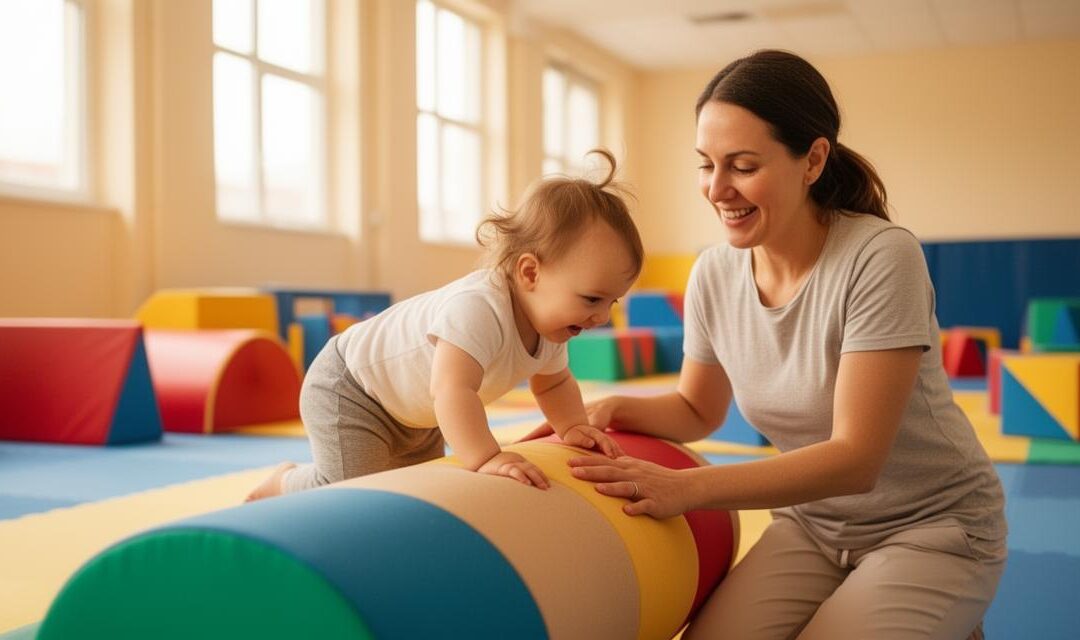
Transforming a corner of your home into a vibrant space where your little one can stretch, wiggle, and explore is one of the most rewarding projects for any parent. A dedicated baby gym area offers far more than just physical activity; it becomes a sanctuary for growth, laughter, and precious family moments. With thoughtful planning and a focus on safety, you can create an environment that nurtures your toddler's development whilst fostering a love for movement that will last a lifetime.
Setting Up Your Home Baby Gym Space for Optimal Safety and Development
The foundation of any successful baby gym begins with careful consideration of where and how you arrange the space. Selecting the right location within your home is crucial, as it sets the stage for safe exploration and joyful play. A well-chosen area not only accommodates your child's current needs but also adapts as they grow and their abilities expand.
Choosing the Right Room and Floor Surface for Baby Gym Activities
When deciding on a room for your baby gym, natural light should be high on your list of priorities. A space flooded with gentle daylight creates an inviting atmosphere that stimulates your child's senses and encourages engagement. Ideally, choose a room that offers enough square footage for your toddler to move freely without encountering sharp furniture corners or hazardous objects. A clutter-free environment is essential, as it allows your little one to concentrate on their movements and reduces the risk of accidents.
The floor surface deserves special attention since your baby will spend considerable time rolling, crawling, and eventually taking those first wobbly steps. Soft play mats made from non-toxic materials provide excellent cushioning against falls and tumbles. Look for mats with interlocking edges that create a seamless surface, preventing tripping hazards. Some families prefer foam tiles that can be easily cleaned and rearranged, whilst others opt for thick quilted mats that offer superior shock absorption. Whichever option you choose, ensure the surface is firm enough to support your child's developing muscles yet soft enough to protect them during their explorations.
Essential Safety Equipment and Soft Play Materials for Your Little One
Once you have established the perfect location, the next step involves gathering the right equipment to make the space both functional and secure. A play gym designed with age-appropriate materials serves as the centrepiece of your setup. These structures typically feature hanging toys, mirrors, and textured fabrics that captivate your baby's attention whilst promoting sensory development. Red Kite play gyms, for example, are often recommended by parents who value quality and thoughtful design.
Beyond the play gym itself, consider adding low shelves stocked with toys and materials that encourage independent learning and exploration. This approach, inspired by Montessori principles, empowers your child to choose activities that interest them, fostering autonomy and confidence. Ensure that all items within reach are safe, durable, and appropriate for your toddler's developmental stage. Soft balls, fabric books, and wooden rattles are excellent choices that stimulate curiosity without posing risks.
Safety gates may be necessary if the play area adjoins stairs or other potentially dangerous zones. Additionally, securing heavy furniture to the wall prevents tipping accidents as your increasingly mobile child begins to pull themselves up. Regularly inspect the space for small objects that could become choking hazards and ensure that electrical outlets are covered. By addressing these details, you create a sanctuary where your little one can explore with minimal supervision, giving you peace of mind.
Age-Appropriate Exercises and Movement Activities for Babies and Toddlers
A thoughtfully designed baby gym space is only as effective as the activities you introduce within it. Tailoring exercises to your child's age and abilities ensures that they remain engaged whilst developing essential motor skills. The beauty of baby gym lies in its versatility; it can accommodate everything from gentle stretches for newborns to more dynamic movements for energetic toddlers.
Gentle Yoga Poses and Stretching Routines Suitable for Young Children
Introducing your baby to simple yoga-inspired stretches can be a delightful way to promote flexibility and body awareness. Begin with movements that mimic natural baby behaviours, such as the happy baby pose, where your little one lies on their back and grasps their feet. This position not only stretches the hips and lower back but also encourages self-discovery as they explore their own limbs.
As your child grows, you can incorporate more structured poses like cat and cow stretches, performed on all fours. These movements strengthen the core and improve balance, laying the groundwork for crawling and walking. Always make these sessions playful rather than prescriptive; use animal sounds and silly faces to keep your toddler entertained. Remember, the goal is not perfection but rather encouraging a positive association with physical activity.
Stretching routines can also serve as calming rituals before nap time or after energetic play. Gentle leg lifts, where you gently move your baby's legs in cycling motions, help release tension and promote relaxation. Pairing these movements with soothing music or soft singing transforms exercise into a cherished bonding experience.
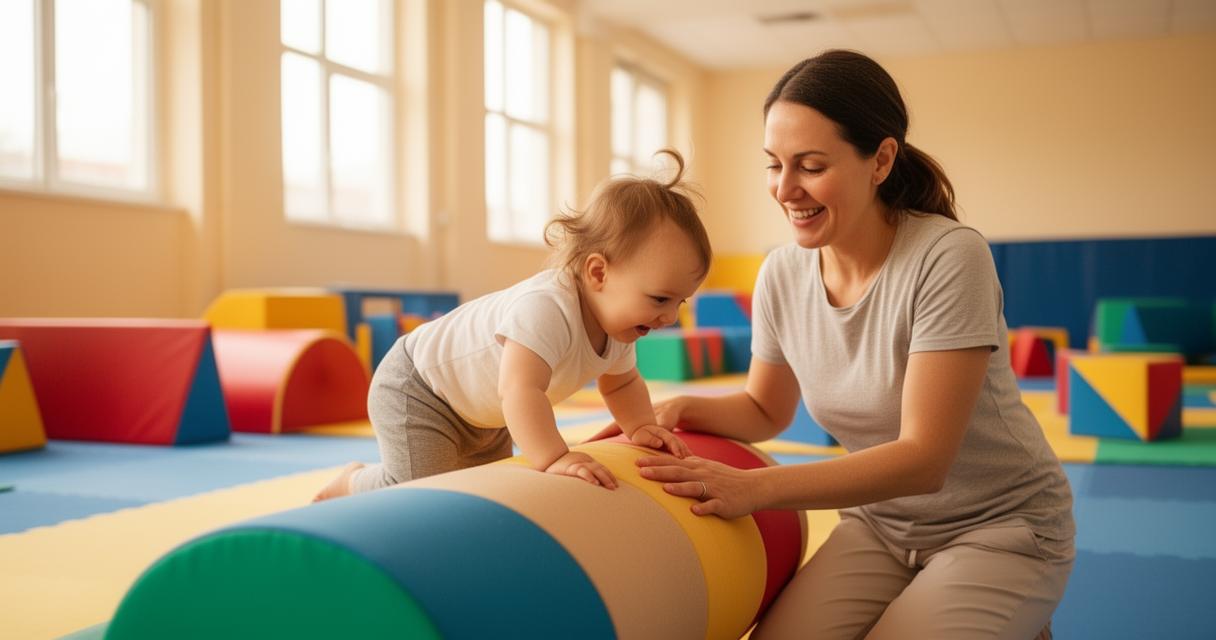
Fun physical activities that encourage motor skill development and coordination
Beyond structured yoga, a wealth of playful activities can enhance your toddler's coordination and physical development. Tummy time remains one of the most effective exercises for infants, strengthening neck, shoulder, and arm muscles. Place colourful toys just out of reach to motivate your baby to lift their head and eventually push up onto their hands.
For older babies and toddlers, obstacle courses made from cushions and soft blocks provide thrilling challenges that refine balance and spatial awareness. Encourage your child to crawl under low tables, step over padded barriers, or navigate around soft toys. These activities not only build physical strength but also boost cognitive development as your little one learns to plan their movements and solve problems.
Interactive games like roll-the-ball or follow-the-leader add a social dimension to physical activity. When parents join in, these exercises become opportunities for laughter and connection. Dancing together to lively music is another fantastic way to get your toddler moving; the rhythm helps develop timing and coordination whilst the free-form nature of dance allows for creative expression.
Making baby gym a rewarding family bonding experience
The true magic of a home baby gym emerges when it becomes a shared family ritual rather than a solitary activity. Involving parents and siblings in playtime transforms routine exercise into treasured memories. This collective approach not only enhances your child's social skills but also reinforces the idea that physical activity is a joyful, integral part of daily life.
Ways Parents Can Actively Participate in Baby Gym Sessions at Home
Your involvement in baby gym activities sends a powerful message to your child about the value of movement and play. Simple actions like lying beside your baby during tummy time or mirroring their stretches create a sense of companionship and encouragement. Babies and toddlers are natural imitators, so when they see you engaging with the same activities, they are more likely to remain interested and motivated.
Consider designating specific times for family gym sessions where everyone participates. Older siblings can demonstrate more advanced movements, inspiring the youngest member to reach new milestones. Parents can also introduce gentle massage techniques during stretching routines, which soothe muscles and deepen the emotional connection between parent and child.
Photography can add another layer of enjoyment to these sessions. Capturing candid moments of your toddler's achievements, from their first successful roll to their triumphant climb over a cushion mountain, creates a visual diary of their progress. Sharing these images with family members, perhaps through platforms like Instagram, allows loved ones to celebrate milestones and offer encouragement from afar.
Creating a Regular Exercise Routine That Keeps Your Toddler Engaged and Active
Consistency is key when establishing a baby gym routine. Setting aside dedicated time each day helps your toddler anticipate and look forward to physical activity. Mornings often work well, as children tend to have more energy and focus shortly after waking. However, the best time is ultimately whatever fits seamlessly into your family's schedule.
Variety prevents boredom and ensures balanced development. Rotate activities throughout the week, alternating between stretching sessions, obstacle courses, and free play. Introduce new toys or challenges periodically to maintain your child's interest. Many independent stores, such as those offering collections of nursery furniture, sleep products, and playtime activities, provide innovative items that can refresh your baby gym setup without overwhelming your budget. Keep an eye out for promotions like free shipping on orders over seventy-five pounds or discount codes for pre-loved items, which make quality equipment more accessible.
Tracking your child's progress, whether through a simple journal or a dedicated app, can be incredibly motivating for parents. Noting when your toddler masters a new movement or shows increased stamina offers tangible evidence of their growth. This record also helps you adjust activities to match their evolving abilities, ensuring that the baby gym remains both challenging and achievable.
Ultimately, the success of your home baby gym hinges on creating an atmosphere where play and exercise are inseparable. By prioritising safety, offering age-appropriate activities, and actively participating as a family, you lay the foundation for a lifetime of healthy habits. The laughter that echoes through your play space and the pride in your toddler's eyes as they conquer a new challenge are rewards far beyond any milestone chart. With each stretch, roll, and giggle, you are not only nurturing your child's physical development but also weaving a tapestry of love and connection that will endure for years to come.