
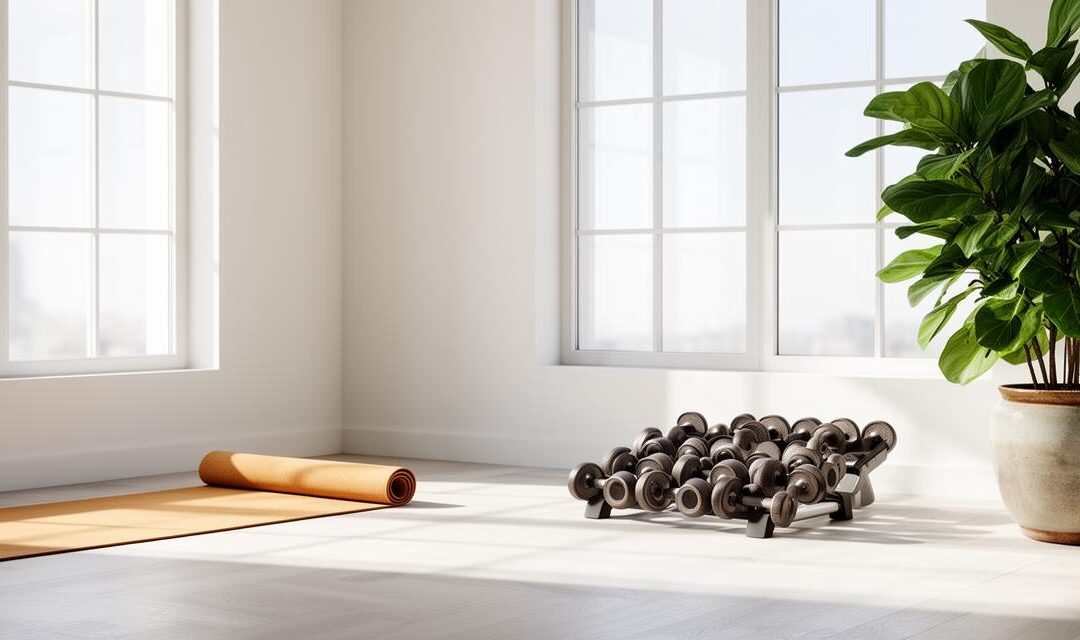
Creating a dedicated workout space within your home offers unparalleled convenience and eliminates the need for costly gym memberships or time-consuming commutes. Whether you have a spare room, a corner of your garage, or even a section of your living area, establishing a functional home gym is both achievable and rewarding. With thoughtful planning and the right selection of equipment, you can design a motivating environment that supports your fitness goals and encourages consistent training. This guide will walk you through the essential considerations, from selecting appropriate flooring to choosing versatile equipment and establishing a routine that keeps you engaged and progressing.
Essential Equipment and Space Planning for Your Home Gymnasium
When embarking on the journey to build your home gym, the first step involves careful consideration of the space you have available and how best to utilise it. Even modest areas can be transformed into effective training zones with strategic planning. Begin by assessing the dimensions of your chosen space and determining which activities you intend to pursue. This will inform your decisions regarding layout, equipment selection, and storage solutions. A well-organised gym not only maximises functionality but also creates an inviting atmosphere that motivates you to train regularly.
Selecting the Proper Flooring and Protective Coating for Your Training Area
One of the most critical aspects of setting up your home gym is choosing the right flooring. The surface you select will protect both your existing floor and your equipment, whilst also providing a safe and comfortable area for exercise. Rubber flooring is a popular choice due to its durability, shock absorption, and resistance to damage from heavy weights. Interlocking foam tiles offer an economical alternative for lighter workouts, providing cushioning and ease of installation. If you are working with a concrete or hardwood floor, applying a protective coating or investing in high-quality gym mats can prevent scratches, dents, and noise transmission. The right flooring enhances safety and reduces the risk of injury, particularly during high-impact activities or when lifting free weights. It also helps to define your workout zone, mentally preparing you for focused training sessions.
Maximising Limited Space with Versatile Racks, Cages, and Storage Solutions
Space efficiency is paramount when designing a home gym, especially if you are working within a compact area. Incorporating versatile equipment such as racks and cages allows you to perform a wide range of exercises without cluttering your space. A squat rack or power cage serves as the centrepiece of many home gyms, providing a stable structure for barbell exercises and incorporating safety features that enable solo training. Wall-mounted racks for weights and accessories help keep your area tidy and accessible, whilst foldable or adjustable benches can be stowed away when not in use. Vertical storage solutions, such as pegboards or shelving units, utilise wall space effectively and keep smaller items within easy reach. By prioritising multifunctional equipment and smart storage, you create an organised environment that maximises every square foot and maintains a sense of openness.
Must-have fitness kit: from dumbbells to weight benches
Equipping your home gym with the right tools is essential for creating a comprehensive and effective workout experience. The key is to focus on versatile pieces that allow you to perform a broad spectrum of exercises, catering to various muscle groups and fitness levels. Starting with fundamental items ensures that you build a solid foundation, which can be expanded over time as your training progresses and your needs evolve.
Choosing the Right Free Weights, Bars, and Discs for Comprehensive Training
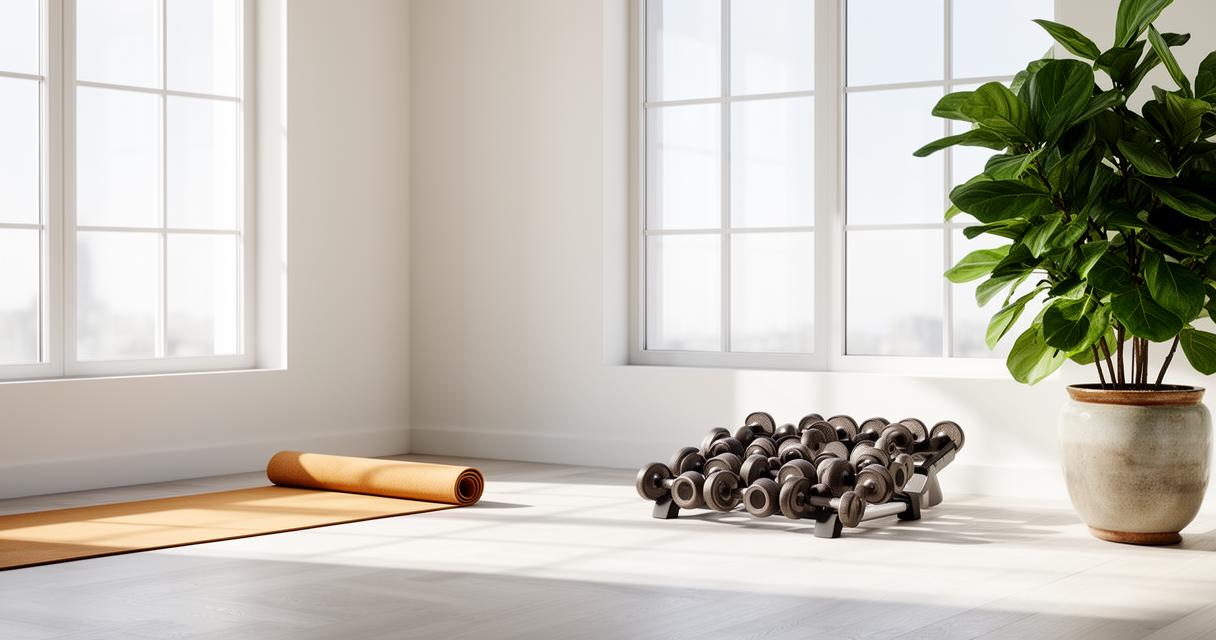
Free weights form the backbone of strength training and are indispensable for any home gym. A set of dumbbells ranging from lighter to heavier weights enables you to perform countless exercises targeting the upper body, lower body, and core. Adjustable dumbbells are particularly advantageous for beginners, as they offer a compact solution that saves space and grows with your strength. In addition to dumbbells, a quality barbell paired with a selection of weight discs provides the foundation for compound movements such as squats, deadlifts, and presses. Standard Olympic bars are widely compatible with various equipment and offer durability and balance. When selecting discs, consider starting with a range of lighter plates and gradually adding heavier options as your strength increases. Cast iron or rubber-coated discs protect your flooring and reduce noise, making them ideal for home use. Investing in a sturdy set of bars and discs ensures that your workouts remain challenging and progressive.
Incorporating Adjustable Benches and Multi-Purpose Stations for Varied Workouts
An adjustable weight bench is a remarkably versatile addition to any home gym, facilitating exercises that range from chest presses and shoulder work to core training and lower body movements. Look for a bench that offers multiple incline positions, as this expands the variety of exercises you can perform and targets muscles from different angles. Multi-purpose stations, which combine features such as leg extensions, cable systems, or pull-up bars, deliver even greater functionality within a compact footprint. These stations enable you to perform a full-body workout without the need for numerous separate machines, making them particularly suited to smaller spaces. When selecting equipment, prioritise build quality and stability, as robust construction ensures safety and longevity. By incorporating an adjustable bench and a multi-purpose station, you create a flexible training environment that supports diverse routines and keeps your workouts engaging.
Designing a motivating training environment that encourages consistency
Beyond the physical equipment, the atmosphere of your home gym plays a crucial role in maintaining motivation and fostering a consistent training habit. A well-designed space that reflects your personal style and supports your goals can transform exercise from a chore into an enjoyable and rewarding part of your daily routine. Attention to details such as lighting, organisation, and ambience contributes significantly to your overall experience.
Creating an Inspiring Atmosphere with Proper Lighting and Organisation
Lighting is often overlooked when setting up a home gym, yet it profoundly influences your mood and energy levels. Natural light, if available, is ideal for creating an uplifting environment and enhancing your sense of wellbeing. If your space lacks windows, invest in bright, adjustable lighting that mimics daylight and eliminates shadows, ensuring you can see your form clearly during exercises. Task lighting focused on specific areas, such as weight stations or cardio zones, adds functionality and safety. Organisation is equally important, as a cluttered space can be distracting and demotivating. Use labelled storage bins, hooks, and shelves to keep equipment tidy and easily accessible. Consider adding mirrors to visually expand the space and allow you to monitor your technique. Personal touches, such as motivational posters, plants, or a sound system for your favourite music, further enhance the atmosphere and make your gym a place you genuinely want to spend time in.
Establishing your daily workout routine with beginner-friendly exercises
With your space equipped and organised, the final step is to establish a sustainable workout routine that aligns with your fitness level and goals. For beginners, simplicity and consistency are paramount. Start with fundamental exercises that build strength and confidence, such as bodyweight squats, press-ups, lunges, and planks. These movements form the foundation of functional fitness and require minimal equipment. As you become comfortable, gradually introduce free weights and resistance exercises, such as dumbbell rows, shoulder presses, and deadlifts. Aim to train several times a week, focusing on different muscle groups to allow adequate recovery. Setting a regular schedule and dedicating a specific time each day to your workouts helps to cement the habit and ensures that training becomes an integral part of your lifestyle. Track your progress, celebrate small victories, and remain patient as your strength and endurance improve. A well-planned routine combined with a motivating environment creates the perfect recipe for long-term success and a healthier, more active life.