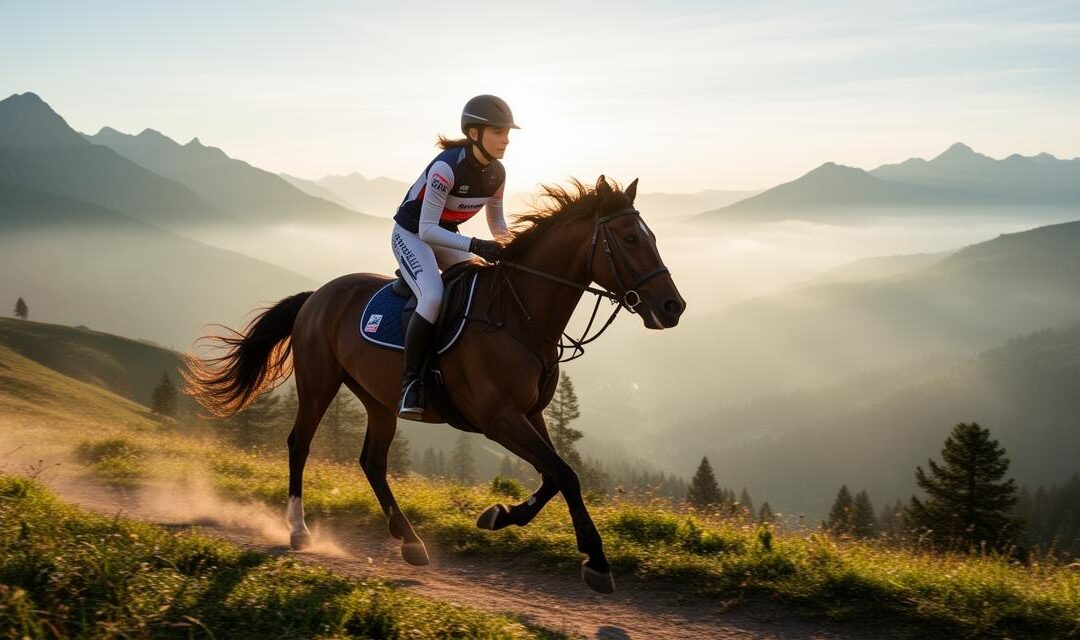
For many fitness enthusiasts seeking an engaging alternative to traditional exercise, the world of equestrian sports offers an unexpected revelation. The graceful partnership between rider and horse conceals a remarkable physical challenge that rivals and sometimes exceeds the caloric demands of conventional cardiovascular activities. Recent research has illuminated the significant energy expenditure involved in equestrian pursuits, challenging assumptions about which activities deliver the most effective workout. This exploration delves into the science behind why time spent in the saddle might offer more comprehensive fitness benefits than pounding the pavement.
The science behind calorie burning in equestrian activities
Understanding the Physical Demands of Maintaining Balance and Control
The act of horse riding requires constant physical adjustment and engagement that many outside observers fail to appreciate. Unlike the predictable surface of a treadmill or road, the moving platform of a living animal demands continuous micro-corrections from every muscle group in the rider's body. This dynamic interaction transforms what appears to be a passive activity into an intensive workout that challenges balance, coordination, and muscular endurance simultaneously. The rider must maintain proper posture whilst responding to the horse's movements, which vary in intensity depending on the gait and terrain. Core muscles work constantly to stabilise the torso, preventing the rider from bouncing or losing position. The legs maintain pressure against the saddle whilst signalling directions to the horse, requiring sustained isometric contractions that build strength over time. Even the arms and shoulders contribute significantly, maintaining rein contact and controlling the horse's direction and speed. This comprehensive muscular engagement occurs throughout the entire duration of a riding session, creating a sustained metabolic demand that accumulates substantial caloric expenditure. Research indicates that gentle riding activities can burn approximately 250 to 400 calories per hour, whilst more vigorous sessions involving trotting or cantering can elevate this figure significantly. The preparation activities surrounding the ride itself also contribute meaningfully to overall energy expenditure, with grooming and saddling adding additional caloric burn before one even mounts the horse.
Comparing heart rate and energy expenditure: riding versus running
Studies examining cardiovascular responses during equestrian activities have revealed surprising parallels with traditional aerobic exercises. When riders engage in more demanding gaits such as trotting or galloping, heart rate measurements demonstrate significant elevation comparable to moderate-intensity running. Research comparing elite horse riders with amateur enthusiasts has shown that experienced riders maintain notably higher heart rates throughout their sessions, indicating greater cardiovascular demand as skill levels increase. Elite riders demonstrated superior lactate response patterns during experimental sessions lasting eighteen minutes, suggesting their bodies worked harder and recovered more efficiently than those of less experienced riders. The caloric consumption during these sessions proved substantial, with some measurements indicating that vigorous riding can approach or exceed 700 calories per hour under demanding conditions. This figure surpasses the energy expenditure of many popular exercise modalities, including casual jogging and cycling. The unique aspect of equestrian exercise lies in its combination of aerobic and anaerobic components, creating a hybrid workout that challenges multiple energy systems simultaneously. Unlike the steady-state nature of distance running, riding involves bursts of intense activity interspersed with periods of lower intensity, mimicking the benefits of interval training without the monotony. This varied intensity profile not only enhances cardiovascular fitness but also prevents the metabolic adaptation that can occur with repetitive exercise patterns.
Full-body engagement: how horse riding works multiple muscle groups
Core strength and muscle toning through equestrian sport
The development of core strength stands as one of the most significant fitness benefits derived from regular riding. The constant need to maintain balance atop a moving animal recruits the deep stabilising muscles of the abdomen and lower back in ways that few other activities can replicate. These muscles must remain engaged throughout the entire session, creating an extended isometric workout that builds endurance and functional strength. Research examining body composition changes in elite riders revealed that during eighteen-minute sessions, muscle mass showed slight increases whilst body fat decreased, demonstrating the toning effects of regular equestrian activity. The postural demands of correct riding technique reinforce proper spinal alignment, strengthening the muscles responsible for maintaining upright posture both in and out of the saddle. This improved posture translates into better stability in daily activities and reduced risk of back pain, a common complaint among sedentary individuals. The leg muscles receive particularly intensive conditioning, with the inner thighs, quadriceps, and calves all working continuously to maintain position and communicate with the horse. This sustained engagement builds muscular endurance rather than bulk, creating the lean, toned appearance associated with many equestrians. The arms and shoulders also benefit significantly, developing strength and stability through maintaining rein contact and controlling the horse's movement. Unlike isolated gym exercises that target specific muscle groups, riding creates functional strength patterns that improve overall physical capability and coordination.
The Role of Different Riding Gaits in Maximising Caloric Burn
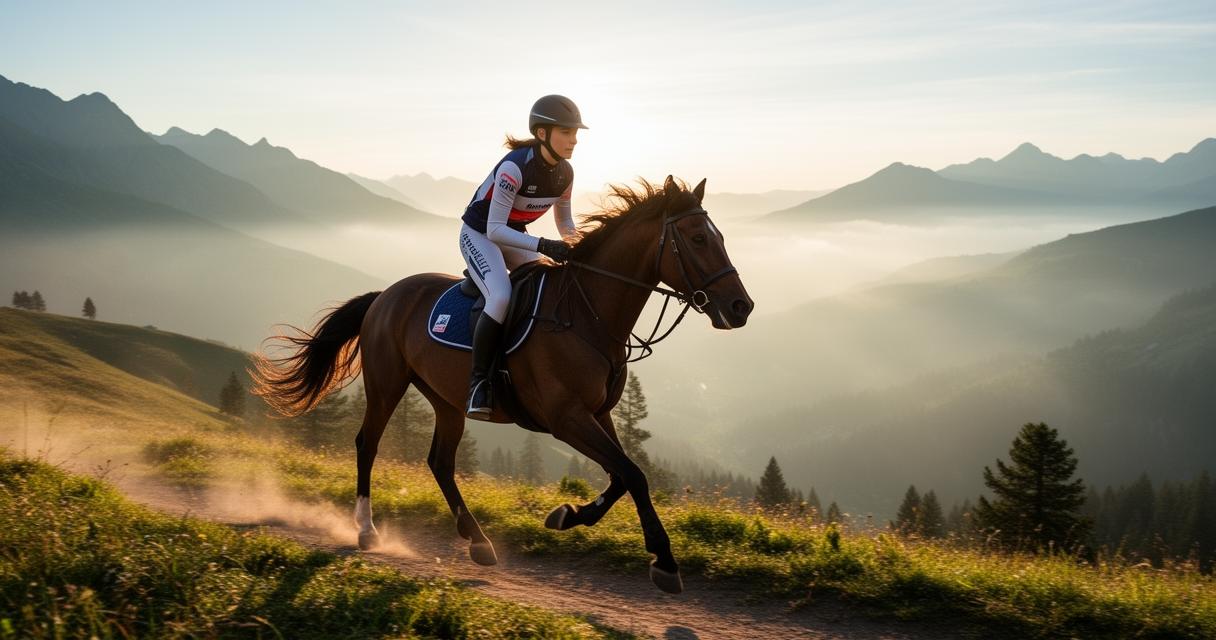
The intensity of caloric expenditure during equestrian activities varies considerably depending on the gait employed and the duration of each phase. Walking on horseback represents the gentlest option, still requiring balance and core engagement but with relatively modest energy demands. As the pace increases to a trot, the physical demands escalate dramatically. The rhythmic bouncing motion of the trot requires riders to either post, rising and sitting in rhythm with the horse's movement, or sit deeply, absorbing the motion through core and leg engagement. Both techniques substantially increase caloric burn compared to walking, with posting creating a repetitive squatting motion that challenges the legs and cardiovascular system. Cantering and galloping represent the most demanding gaits, requiring maximum balance, core stability, and muscular control. At these speeds, riders must maintain their position against considerable forces whilst managing a powerful animal moving at significant velocity. The cardiovascular response during these faster gaits approaches that of high-intensity interval training, with heart rates climbing into zones typically associated with vigorous running. Strategic incorporation of different gaits throughout a riding session creates a natural interval training effect, alternating between periods of moderate and high intensity that optimise fat burning and cardiovascular conditioning. Even the transitions between gaits require concentrated effort and balance adjustments, adding additional metabolic demands. This variety not only maximises caloric expenditure but also maintains mental engagement, preventing the boredom that often undermines adherence to exercise programmes.
Beyond fitness: the holistic benefits of choosing horse riding
Creating an Enjoyable and Sustainable Exercise Routine
One of the most compelling arguments for embracing equestrian activities as a primary fitness modality lies in the sustainability of the practice. Unlike repetitive gym routines or solitary running sessions, riding offers constantly changing scenery, challenges, and experiences that maintain interest over extended periods. The necessity of caring for another living being creates a schedule and commitment that many find easier to maintain than self-directed exercise programmes. The social aspects of riding also contribute significantly to long-term adherence, with stables providing community connections and opportunities for shared experiences. For individuals who struggle with motivation in traditional fitness settings, the goal-oriented nature of improving riding skills provides tangible milestones that make progress visible and rewarding. Beginners are encouraged to start with professional lessons that establish proper technique and safety practices, gradually increasing intensity as confidence and ability develop. This progressive approach reduces injury risk whilst building a solid foundation for long-term participation. Consistency in training proves easier to maintain when the activity itself brings joy rather than feeling like an obligation, and the unique relationship formed with horses provides emotional rewards that transcend physical benefits. The outdoor setting of most riding activities delivers additional advantages, including exposure to natural light and fresh air that contribute to overall wellbeing. This combination of physical challenge, skill development, social connection, and natural environment creates a comprehensive wellness experience that few other activities can match.
The Mental Wellbeing Advantages of Connecting with Horses
Beyond the quantifiable physical benefits, equestrian activities offer profound mental health advantages that enhance overall quality of life. The connection formed between rider and horse creates a unique interspecies bond that many describe as therapeutic and grounding. Horses respond to subtle emotional cues, requiring riders to develop emotional regulation and mindfulness that extend far beyond the riding arena. The focus required during riding creates a meditative state that displaces anxious thoughts and daily stressors, providing mental respite in our increasingly hectic world. The responsibility of caring for another living being fosters purpose and routine, elements known to support mental wellbeing. Studies consistently demonstrate that interaction with animals reduces cortisol levels and blood pressure whilst increasing oxytocin production, creating biochemical changes that promote relaxation and contentment. The outdoor setting of most equestrian activities amplifies these benefits, with research showing that time spent in natural environments significantly improves mood and reduces symptoms of depression and anxiety. The sense of achievement that comes from mastering new riding skills builds confidence that transfers into other life areas, creating a positive feedback loop that reinforces continued participation. For individuals recovering from stress, trauma, or mental health challenges, equine-assisted therapies have demonstrated remarkable effectiveness, highlighting the profound psychological impact these animals can provide. The combination of physical exercise, outdoor exposure, animal connection, and skill mastery creates a holistic wellness practice that addresses body, mind, and spirit simultaneously, offering benefits that extend far beyond simple caloric expenditure.